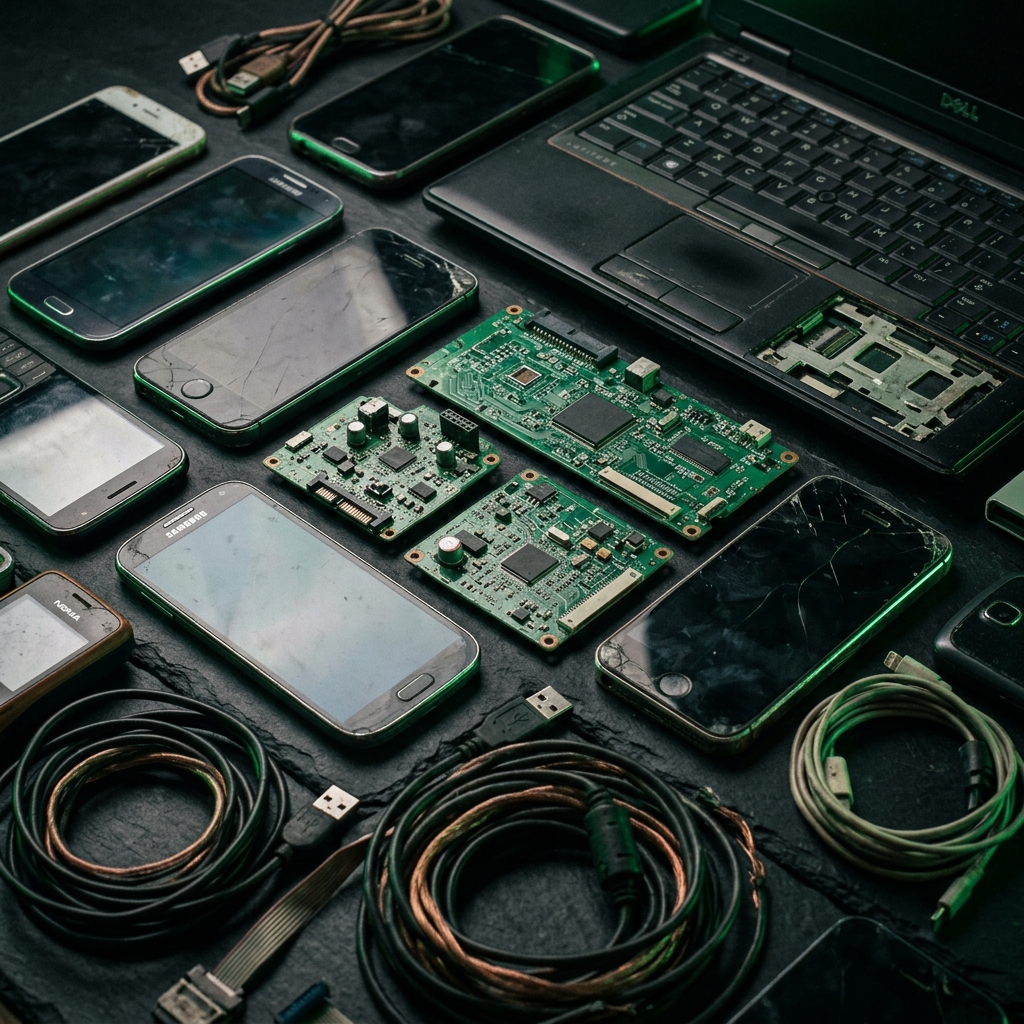
India is the third-largest e-waste generator in the world, producing approximately 3.2 million tonnes annually. Yet most of this e-waste is processed by the informal sector under dangerous conditions, or it simply ends up in landfills where toxic chemicals leach into the ground.
⚠️ Why E-Waste is Dangerous
Electronic devices contain heavy metals like lead, mercury, cadmium, and chromium. When improperly disposed of, these chemicals contaminate soil, groundwater, and air. Circuit boards, batteries, and screens are particularly hazardous.
📱 Common E-Waste Items
- Old smartphones and tablets
- Laptops and desktop computers
- Chargers and cables
- Printers and scanners
- Television sets and monitors
- Refrigerators and air conditioners
- Microwave ovens and kitchen appliances
✅ The Right Way to Dispose
1. Data Security First: Before disposing of any device, factory reset it and remove all personal data. Remove SIM cards and memory cards from phones.
2. Don't Throw in Regular Trash: E-waste should never go into your regular garbage bin. The chemicals are harmful to waste workers and the environment.
3. Use Certified Recyclers: Companies like Kabadi Man work with certified e-waste processing partners who safely extract valuable materials and responsibly dispose of hazardous components.
4. Donate Working Devices: If your old phone or laptop still works, consider donating it to NGOs or underprivileged students before recycling.
♻️ What Happens to Recycled E-Waste?
Properly recycled e-waste yields valuable materials: gold, silver, copper, palladium, and rare earth metals. These are refined and reused in manufacturing new electronics, reducing the need for mining virgin materials.
Schedule a pickup with Kabadi Man today and ensure your old electronics get a second life — safely and responsibly.